
Shifting Geographies: Energy Insecurity in Hotter Regions
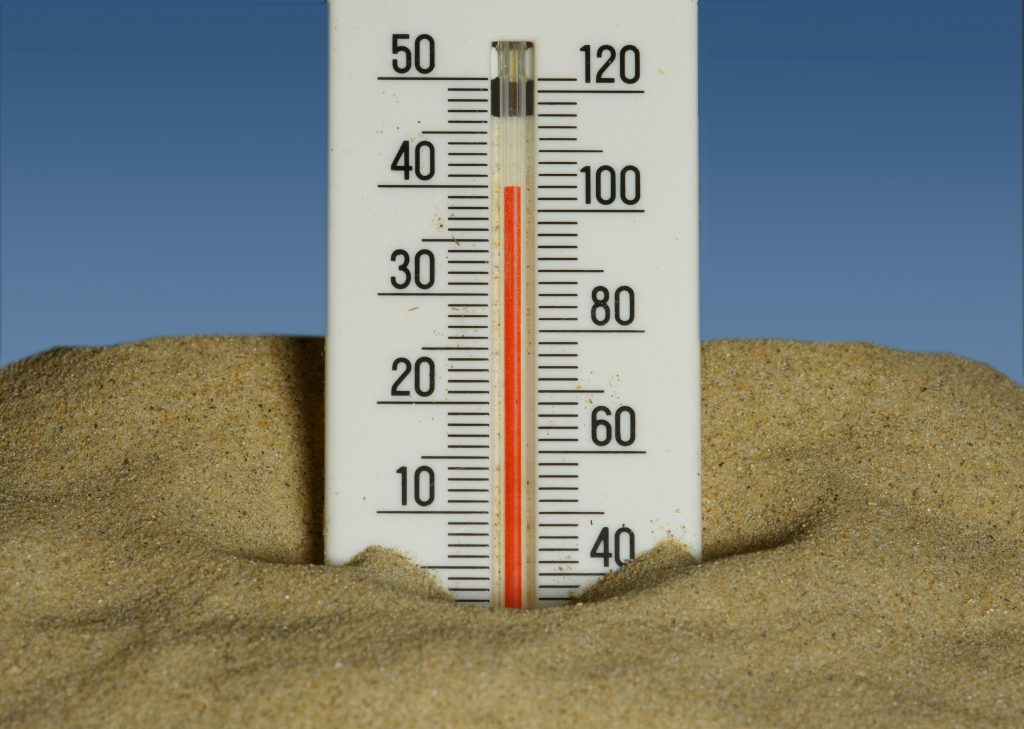
Housing, energy, and food security are tightly linked through what researchers call the “heat or eat” dilemma, a trade off in which households must choose between paying energy bills or buying food. This dynamic is closely tied to housing affordability. A survey by the National Energy Assistance Directors Association (NEADA) found that 33% of households reported going without food to pay rent and heating costs (NEADA, 2018). Research from the Massachusetts Institute of Technology further shows that the geography of energy poverty in the United States is shifting. Once concentrated in colder northern states, high energy burdens are increasingly found in hotter regions, particularly in the South and Southwest (Batlle et al., 2024).
While the “heat or eat” dilemma has historically been understood as a winter hardship, rising temperatures and longer, more intense summers have introduced a parallel and rapidly expanding “cool or eat” dilemma. Households must now manage both heating and cooling costs, transforming energy insecurity from a seasonal challenge into a year-round structural crisis. This shift reflects a broader redefinition of housing insecurity: it is no longer only about access to shelter, but about access to thermally safe, climate-resilient housing. The “heat or eat” and “cool or eat” dilemmas emphasize permanent geographic and architectural inequities that demonstrate the interconnected burdens of racial inequality, hunger, housing affordability, and energy poverty.
Impossible Tradeoffs: The Present-Day Problem
Rising temperatures are fundamentally changing the nature of energy insecurity. Historically, energy poverty has been associated with winter heating costs. Today, however, hotter and longer summers are increasing electricity demand for cooling, especially in regions already experiencing high energy burdens. This shift is creating a dual seasonal strain—households must now manage both heating and cooling costs, often without any increase in income or support. The result is a continuous cycle of tradeoffs. As cooling costs rise, food budgets often become the primary mechanism for adjustment.
Families may skip meals, reduce grocery spending, or rely on cheaper, less nutritious food options to afford rent and utilities (NEADA, 2018). Others may limit air conditioning use during dangerous heat waves, increasing risks of heat-related illness (Ndugga et al., 2024). In this way, energy insecurity becomes a direct driver of food insecurity and health disparities, with thermal safety increasingly stratified by income.
This evolution is also reshaping the housing crisis itself. Housing affordability can no longer be measured by rent alone; energy burden must be understood as a core component of housing cost. Units that are inexpensive to rent but costly to cool are, in practice, unaffordable. In this context, the housing crisis becomes inseparable from climate adaptation. Thermal safety, energy affordability, and food security are intertwined, and the inability to cool one’s home is increasingly a marker of structural inequality. The “heat or eat” and “cool or eat” dilemmas together reveal a single, continuous reality, for many households, survival depends on navigating impossible tradeoffs between staying safe, staying housed, and staying fed.
Uneven Temperatures: Historical Legacies of Redlining in Urban Heat Islands
Heat exposure is deeply shaped by the built environment. Building age and levels of investment play a critical role in maintaining indoor comfort across seasons. Older housing is often improperly weatherized, suffering from poor insulation and leaky windows, making both heating and cooling inadequate—even when available. Rising energy costs and intensifying summer temperatures magnify these challenges, forcing households to choose between cooling and other essentials such as food or healthcare (Batlle et al., 2024).
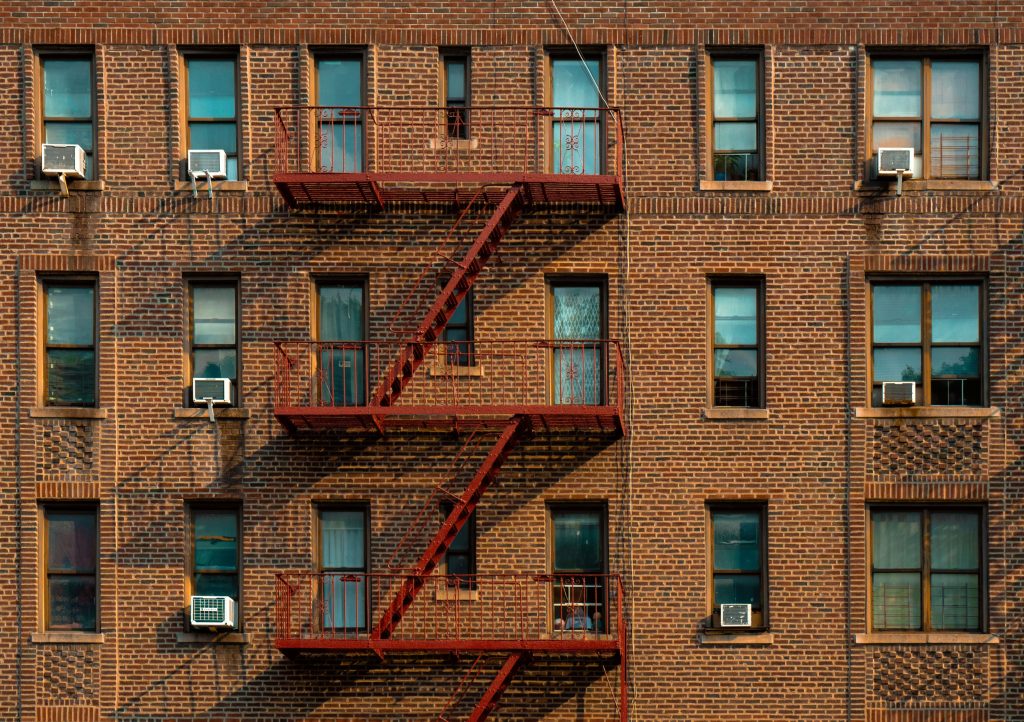
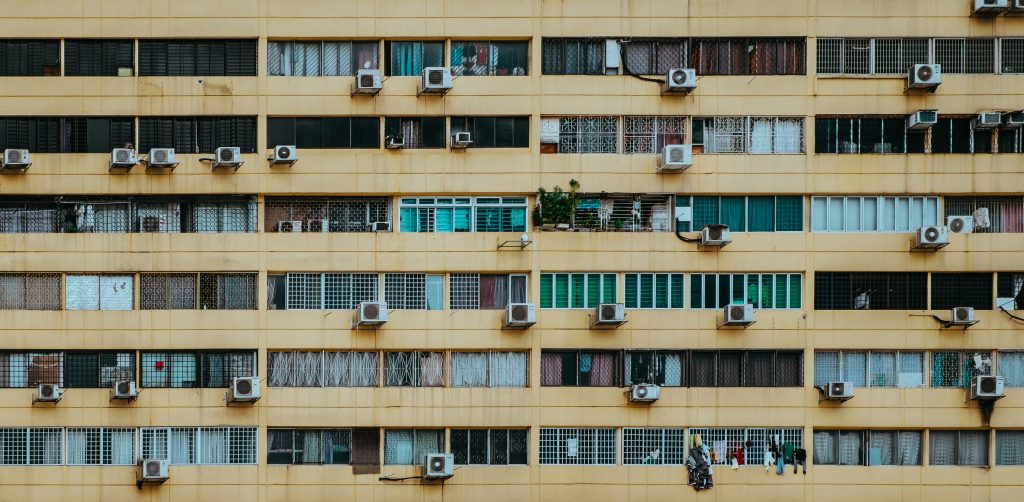
These effects are exacerbated and amplified in urban areas by the Urban Heat Island (UHI) effect, where dense development, heat-retaining materials like asphalt and concrete, and limited vegetation lead to significantly higher temperatures than surrounding rural areas. While UHI is often discussed in purely meteorological terms, its distribution is political. Green infrastructure—particularly tree canopy—plays a critical role in mitigating heat. Trees provide shade, promote evapotranspiration, and reduce both surface and air temperatures. High density urban environments can be as much as 18 °F warmer than those with higher vegetation (Hoffman et al., 2020). Yet access to these cooling benefits is uneven. Tools like the Tree Equity Score reveal that low-income communities and communities of color consistently have less tree cover and higher heat exposure (Tree Equity Score). Studies show that Black, Hispanic, Indigenous, and multiracial households are 1.2 to 1.7 times more likely to rely on window air conditioning rather than central systems, reflecting broader disparities in housing quality and infrastructure (Scott et al., 2025).
These disparities are rooted in the history of redlining. Beginning in the 1930s, US Home Owners’ Loan Corporation maps labeled predominantly Black neighborhoods as “high risk,” systematically denying them investment (Locke et al., 2021). This disinvestment shaped not only housing quality but also environmental conditions. Redlined neighborhoods were more likely to be developed with impervious surfaces, industrial uses, and limited green space—conditions that intensify heat today (Locke et al., 2021). A study of 108 US Urban Areas found that, nationally, surface temperatures in formerly redlined areas were 4.5°F warmer than non-redlined areas (Hoffman et al., 2020). These discriminatory housing policies also contribute to disparate impacts on energy burdens. Low-income households face median energy costs three times higher than others, while Black households experience energy burdens 43% higher than white households (NRDC, 2023). In contrast, wealthier neighborhoods benefited from sustained investment in parks, landscaping, and tree-lined streets, creating localized microclimates that buffer extreme temperatures. Urban greening efforts today, while effective, often remain concentrated in already advantaged areas, reinforcing these historical inequities.
Working Towards Solutions: Advocacy and Policy
Addressing the “cool or eat” crisis requires moving beyond siloed interventions. As the Opportunity Starts at Home campaign demonstrates, a home is more than four walls. Advocates for housing affordability, public health, environmental justice, and food security should be invested in increasing access to stable and affordable housing.
Research into housing instability and food insecurity during the COVID-19 pandemic identified a disruption in the previously observed relationship between the two (Chacón et al., 2026). These changes have been attributed to emergency housing and nutrition policies implemented during that period (Hepburn et al. 2023). Eviction moratoria, relaxed SNAP enrollment and recertification requirements, and the expanded Child Tax Credit were all associated with reductions in food insecurity. Instituting a permanent Emergency Assistance Fund that provides short-term crisis support to households at risk of eviction, utility shutoff, or homelessness could help address ongoing gaps.
Updates to SNAP are also necessary to reflect rising housing costs. Currently, the amount of housing costs a family can deduct from gross income when calculating SNAP benefits is capped based on a decision made in 1996. As housing costs have risen significantly in recent decades, this cap has reduced the adequacy of SNAP benefits (FRAC, 2015). It assumes families can allocate income toward food that is in reality already committed to rent and utilities. Adjusting or removing this cap would better align benefits with actual household expenses.
Current federal and state energy assistance programs remain seasonal and underfunded, often prioritizing winter heating. This structure reinforces the “cool or eat” dilemma. Policies should require a dedicated portion of funding for cooling assistance and allow funds to be used for the purchase, installation, and repair of high-efficiency cooling systems, not just bill payments. Improvements to weatherization programs are also critical. These programs, primarily funded by state and federal governments or utility ratepayers, often fail to reach low-income households and communities of color. They also frequently do not address the physical and socioeconomic realities these communities face. Expanding access, simplifying enrollment, and targeting investments toward the most vulnerable households would improve their effectiveness (NRDC, 2023).
Quality housing is central to reducing long-term energy burden. Updating building codes for federally subsidized housing to require passive cooling features such as improved insulation, reflective roofing, ventilation, and shading would reduce both costs and risk. Additional policies could include landlord incentives for efficiency upgrades and increased capital funding for public housing improvements.
The “cool or eat” dilemma is not an inevitable consequence of rising temperatures, but a direct result of a housing system that has historically prioritized exclusion over equity. When we view the Urban Heat Island effect, energy poverty, and food insecurity as isolated issues, we miss the common denominator: the lack of stable, efficient, and affordable housing.
Authored by Ella Izenour, Opportunity Starts at Home Campaign Intern